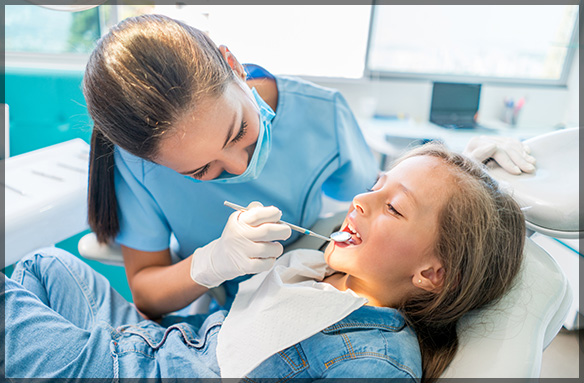
Visiting the dentist is a crucial part of maintaining good oral health, yet many people are unsure how often they truly need to go. While some only book an appointment when they feel pain, preventive dental care plays a far more important role than emergency treatment. Regular dental visits help detect problems early, prevent serious oral health issues, and support overall well-being.
In this comprehensive guide, we’ll explore how often you should visit the dentist, factors that influence visit frequency, and why routine dental care is essential for people of all ages.
The General Rule: How Often Is “Normal”?
For most people, dentists recommend visiting every six months for a routine checkup and professional cleaning. This biannual schedule allows dental professionals to remove plaque and tartar, monitor oral health changes, and catch issues like cavities or gum disease before they worsen.
Regular dental checkups also help establish a long-term oral health record, making it easier to spot subtle changes over time.
🔗 Schedule routine dental checkups near you — https://gettadentist.com
Why Regular Dental Visits Matter
Early Detection of Dental Problems
Many dental issues develop slowly and without pain in the early stages. Cavities, gum disease, and even oral cancer may go unnoticed without professional examination. Regular dentist visits allow early detection, which often means simpler, less expensive treatment.
Professional Cleaning You Can’t Do at Home
Even with excellent brushing and flossing habits, plaque can harden into tartar that cannot be removed at home. Dental hygienists use specialized tools to clean below the gumline and polish teeth, reducing the risk of decay and gum disease.
Protecting Overall Health
Oral health is closely linked to overall health. Research has shown connections between gum disease and conditions such as heart disease, diabetes, and respiratory infections. Regular dental care supports not just your smile, but your entire body.
How Often Should Children Visit the Dentist?
Children should begin seeing a dentist by their first birthday or when their first tooth appears. Early visits help familiarize children with the dental environment and establish good oral hygiene habits from a young age.
Most children should continue with dental visits every six months, though some may require more frequent checkups depending on cavity risk, orthodontic needs, or oral development.
Regular pediatric dental care ensures:
- Proper tooth development
- Early detection of alignment issues
- Prevention of childhood cavities
🔗 Find family and child-friendly dental care options — https://gettadentist.com
Dental Visit Frequency for Teens and Young Adults
Teenagers often face unique dental challenges, including orthodontic treatment, wisdom teeth development, and increased cavity risk due to diet changes. Regular dental visits every six months are essential during this stage.
Dentists may recommend additional visits for:
- Braces or aligners
- Wisdom tooth monitoring
- Sports mouthguard fittings
How Often Should Adults Visit the Dentist?
For healthy adults with no major oral health issues, twice-a-year dental visits are typically sufficient. However, adults with certain risk factors may need more frequent care.
Factors that may increase visit frequency include:
- History of gum disease
- Frequent cavities
- Smoking or tobacco use
- Diabetes or immune conditions
- Pregnancy
In these cases, dentists may recommend visits every 3–4 months to manage risks and prevent complications.
🔗 Book preventive dental care tailored to your needs — https://gettadentist.com
Dental Visits for Seniors
As we age, oral health needs often become more complex. Seniors may experience dry mouth, gum recession, tooth wear, or complications related to medications. Regular dental visits help manage these age-related changes.
Seniors should generally continue with biannual visits, but more frequent appointments may be necessary if they have:
- Dentures or implants
- Chronic medical conditions
- Increased risk of gum disease
Consistent dental care helps preserve natural teeth and maintain quality of life.
How Gum Disease Affects Visit Frequency
Gum disease (periodontal disease) is one of the most common reasons dentists recommend more frequent visits. If left untreated, it can lead to tooth loss and bone damage.
Patients with gum disease may need:
- Deep cleanings (scaling and root planing)
- Periodontal maintenance every 3–4 months
- Ongoing monitoring
Frequent visits help control bacteria and prevent progression.
🔗 Learn more about gum health and periodontal care — https://gettadentist.com
How Often Should You Visit the Dentist If You Have No Teeth?
Even people with full dentures or no natural teeth should visit the dentist at least once a year. Dentists check:
- Denture fit and function
- Gum health
- Oral tissues for signs of infection or cancer
Regular visits ensure comfort, function, and long-term oral health.
What Happens During a Routine Dental Visit?
A typical dental checkup includes:
- Review of medical and dental history
- Examination of teeth, gums, and mouth
- Professional cleaning and polishing
- X-rays (as needed)
- Oral cancer screening
These appointments are designed to prevent problems, not just treat them.
Signs You Should Visit the Dentist More Often
Even if you’re on a regular schedule, you should see a dentist sooner if you experience:
- Tooth pain or sensitivity
- Bleeding or swollen gums
- Persistent bad breath
- Loose teeth
- Jaw pain or clicking
Ignoring these symptoms can lead to more serious issues.
How Lifestyle Choices Impact Dental Visit Frequency
Your daily habits play a major role in how often you need to see a dentist.
Diet
High sugar and acidic foods increase cavity risk, often requiring more frequent checkups.
Smoking and Tobacco Use
Smoking significantly raises the risk of gum disease, tooth loss, and oral cancer, making frequent dental visits essential.
Oral Hygiene Routine
Consistent brushing, flossing, and fluoride use can reduce the need for extra dental appointments.
Are Dental X-Rays Needed Every Visit?
X-rays are not required at every appointment. Dentists typically recommend them:
- Annually or biannually for higher-risk patients
- Every 2–3 years for low-risk patients
X-rays help detect hidden problems that aren’t visible during exams.
How Skipping Dental Visits Can Cost You More
Avoiding the dentist may save money in the short term, but untreated dental problems often lead to:
- More complex procedures
- Higher treatment costs
- Increased pain and discomfort
Preventive care is far more affordable than emergency dental treatment.
Finding the Right Dentist for Regular Care
Choosing a dentist you trust makes it easier to stay consistent with appointments. Look for a dental provider who:
- Explains treatment options clearly
- Focuses on preventive care
- Offers flexible scheduling
- Makes you feel comfortable
🔗 Connect with trusted dental professionals near you — https://gettadentist.com
How Often Should We Visit the Dentist? Final Answer
For most people, every six months is the ideal frequency for dental visits. However, individual needs vary based on age, oral health, lifestyle, and medical conditions. The best schedule is one recommended by your dentist based on your unique situation.
Final Thoughts
Regular dental visits are one of the simplest and most effective ways to protect your oral and overall health. Whether you’re a child, adult, or senior, preventive dental care helps you avoid pain, save money, and maintain a confident smile for life.
If you’re unsure when your next dental visit should be, or you’re looking for a trusted provider, resources like GettaDentist make it easy to find and schedule the right care at the right time.
Leave a Reply